
Tariffs Could Lead to Supply Chain Shortages. Here’s How It Might Affect Aldi.
EDITOR’S NOTE: This post deals with some issues that may be politically sensitive for many readers. Like all posts on our site, we reserve the right to moderate comments in accordance with our Community Guidelines.
In late January of 2025, President Donald Trump announced the first in what would be a sweeping and evolving set of tariffs. The first round, which were initially delayed, went into force in early March, targeting Canada, Mexico, and China. In April, further tariffs were imposed on numerous other countries.
The situation remains complex and ever-changing, as various tariffs on specific countries and product categories have been increased or decreased over time. For that reason, it’s hard for us to be sure what long-term impact the tariffs will have for American consumers.
Could tariffs lead to product shortages?
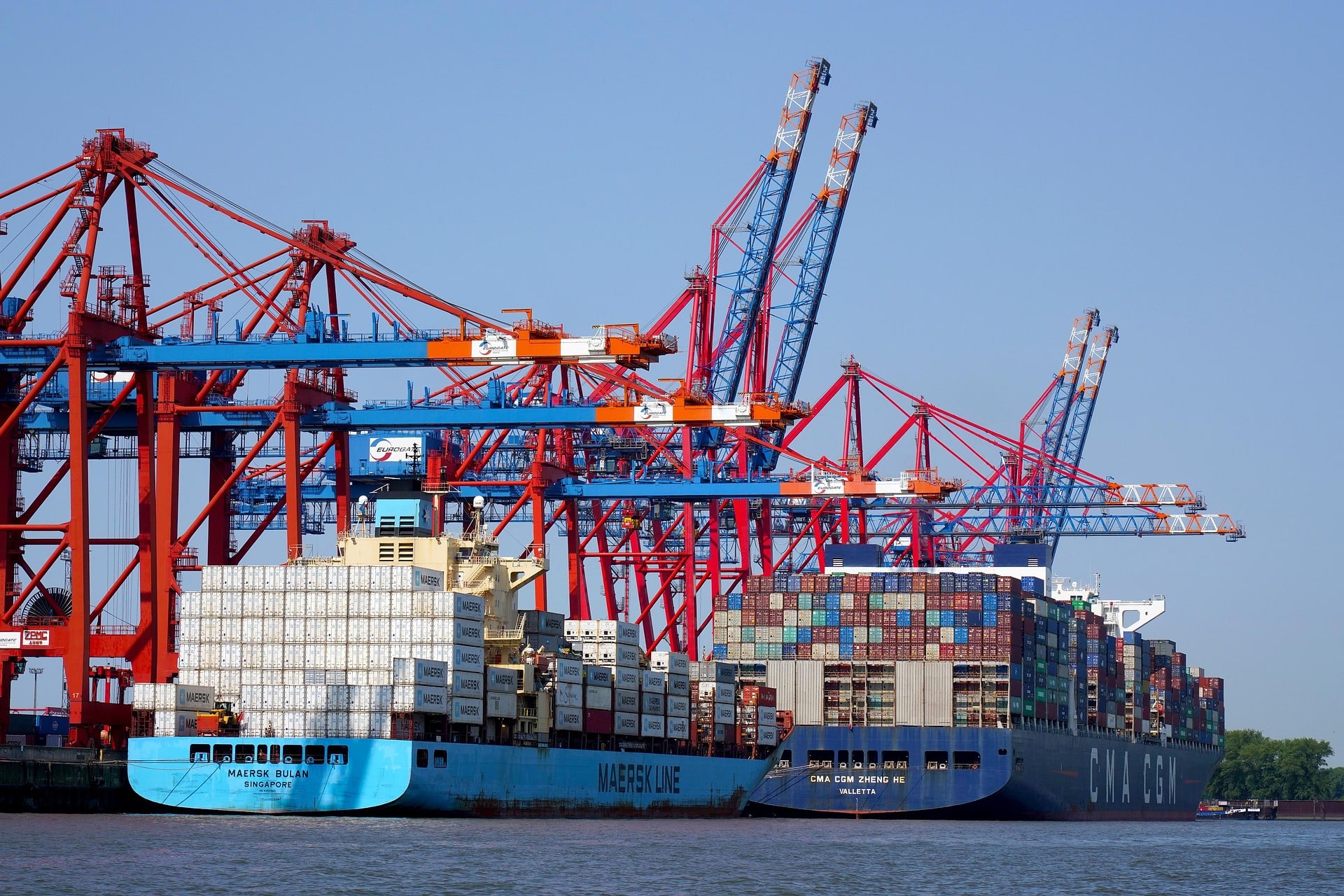
Now, consumers saw plenty of product shortages during the COVID pandemic in 2020 and again during the post-pandemic rebound of 2021-2023. We’ve been there, although for different reasons. When it comes to current concerns about shortages, the Chinese tariffs have drawn the most attention, given how high they are and how dependent U.S. retailers are on Chinese imports.
Experts are divided on whether a shortage might occur. Many economists believe that the Chinese tariffs could lead to bare shelves as early as this summer, or possibly into the fall or 2025 holiday season. Other economists (and the president’s Treasury Secretary) argue that supply chain shocks will not happen.
If you’re one who is concerned about potential shortages, it begs the question as to what products would be affected. And if you’re an Aldi shopper, you might wonder which Aldi products, specifically, are most at risk of supply chain snarls.
Aldi and Chinese Imports
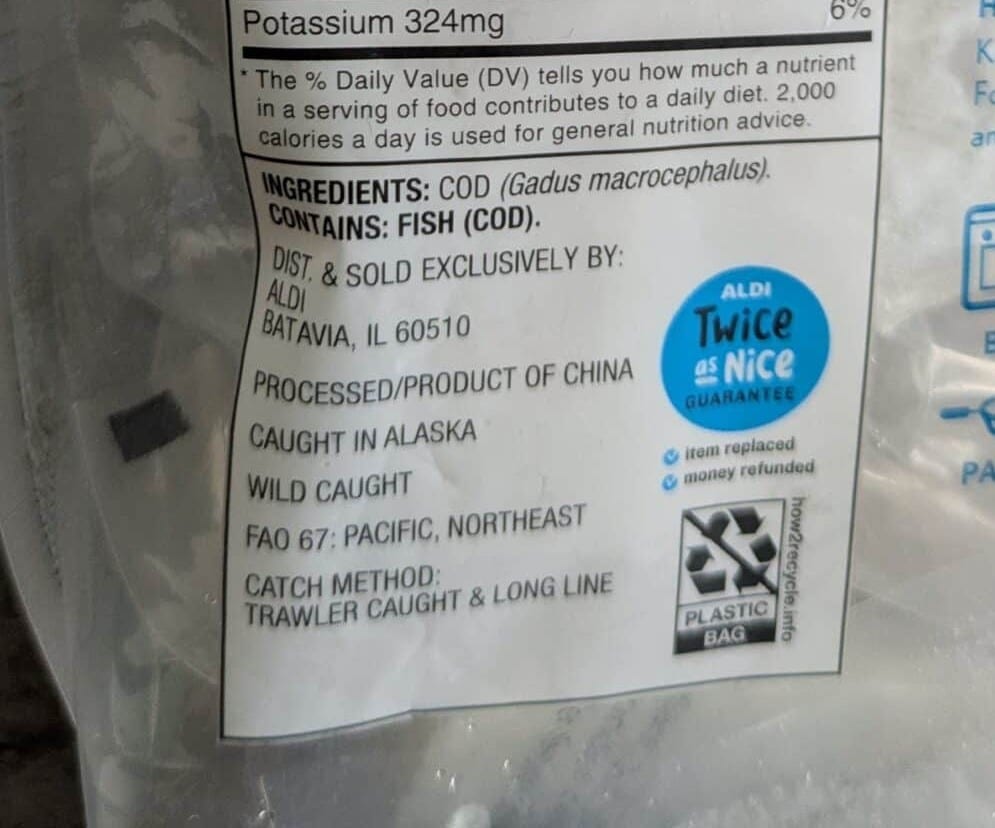
The simplest answer is to look at what Aldi sells that comes from China. We have, and there are a few notable categories that stand out. A number of spices come from China. So does some of the grocer’s seafood. Aldi also imports non-food Regular Buys like sandwich bags, freezer bags, and aluminum foil from China.
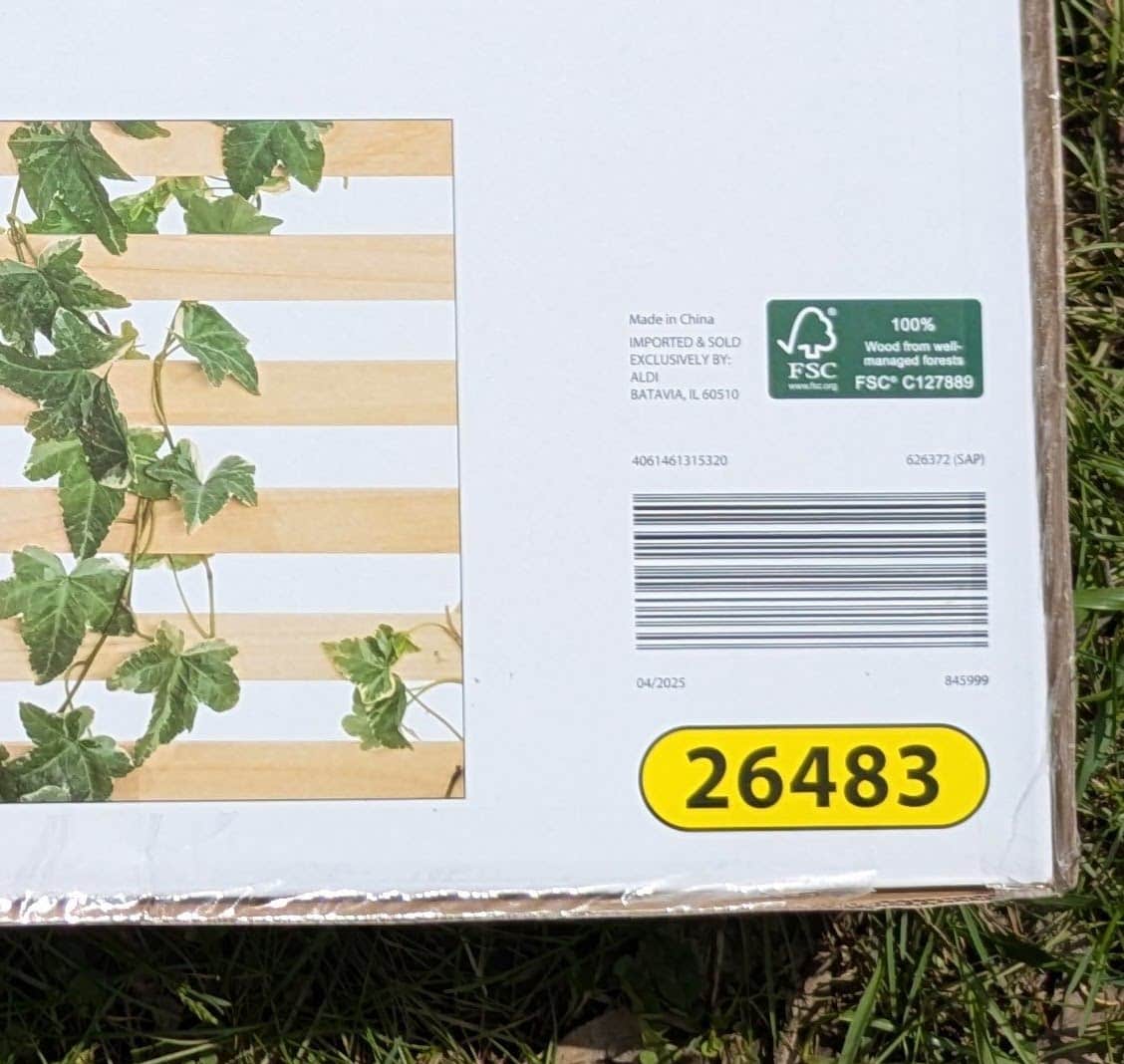
The biggest potential hit, though, would come to the Aldi middle aisle. We’ve been covering the German grocer for a long time now, and in that time we’ve reviewed a lot of Aldi Finds. A disproportionate number of those Aldi Finds come from China. This is probably no surprise to any American consumer – “made in China” is as familiar on store shelves as price tags – but one can imagine how different Aldi shelves would look without those goods.
One expert noted that the most likely products to vanish from shelves will be low-cost footwear, clothing, toys, and electronics. What’s more, even if products are in supply, tariffs could raise prices on those goods. Many retailers were able to get in front of the tariffs by buying inventory before the tariffs went into effect, but that surplus will dwindle as time goes on.
What to do?
That’s a huge question, and each shopper will have to answer that question on their own. Our writers have been slowly stocking up on a few items like clothing, pet food, and some other products. These are things we would have eventually bought anyway but decided to move up purchase of just in case. We’ll also be stocking up some on Aldi seafood, which we can put in our deep freezer.
We’re not planning on going full-on prepper; instead, we’re buying small extra amounts at a time, and we’re making sure we have what we need with certain items should we see some scarcity in the coming months.
Aldi Finds are going to be harder to deal with, by their very nature. Since they only come into stores at specific times, there’s no easy way to stock up on them, so to speak. If there are any Aldi Find shortages, we might not know about them until the products aren’t there, much like what happened in 2020.
Again, things remain in a state of flux. That means the tariff situation could change — for better or worse — in the future. Like most shoppers, we’ll be watching with interest.






I’ve been thinking that the Aisle of Shame will be decimated in months to come. Too bad. And a lot of other products around the store will disappear or get pricier. Also a bad thing.
I agree. We will all be hurt by these tariffs.