Let’s Talk About the Cult of Aldi

Back in 2004, I found myself chatting with the owner of a Mini Cooper about his car. It was a most interesting time for Mini: the British car line had been purchased by German-based BMW a few years earlier, but enthusiasm for the brand was as high as ever, with the Cooper typically selling above MSRP.
It didn’t hurt matters that, in 2003, Paramount Pictures released The Italian Job, a revisioning of the 1969 film of the same name. Mini Coopers are essential to both movies, with the car figuring in prominently in wicked escape scenes.
The Mini owner I spoke to told me how the local Mini dealership invited Mini owners to the dealership property to screen the film, popcorn included. It only cemented the loyalty the car owners had for their vehicles.
Anatomy of a Cult
The word cult is a hotly debated term, and it can mean different things based on what you’re talking about. You hear about religious cults, for example, which involve extreme devotion, often to a powerful leader. Less serious are people who talk about, say, devoted fans of particular sports teams as being part of a cult.
Companies and brands have their cult followings, too, and they’re not typically hard to pick out. Star Trek fans speak Klingon and go to conventions. Subaru owners slap badges on the backs of their cars. Ikea shoppers marvel at the combination of furniture and Swedish meatballs. Apple owners line up for the next installment of the iPhone.
A company that can create a cult following has truly arrived. Advertising becomes less important, thanks to loyalty and word of mouth. Build it, and the cult will show up and buy it.
The Cult of Aldi
Aldi, as we know it, is technically two companies, and it shares two devoted cults between them. Aldi Nord and Aldi Sud cooperate as the Aldi brand, which stretches across Europe, into Australia, and, of course, into much of the United States.
Aldi Nord, additionally, owns Trader Joe’s, an independently operating grocery chain that is so cultlike that it barely needs to advertise, keeps only a very limited social media presence, and offers precisely zero online shopping. You could argue that Trader Joe’s is a more intense cult than the Aldi brand, given that it is widely believed to make more money per square foot than any other grocer. The chatty checkout workers don’t hurt.
TJ’s, though, is a more isolated fandom, on account of the fact that it operates fewer than 700 stores. Aldi, by contrast, casts a wide net: more than 13,000 stores worldwide, including 2,000+ stores in its rapidly expanding U.S. operations.
Aldi’s Secret Sauce
The Aldi cult seems to thrive on a few key qualities.
One is the no-frills pricing. Aldi is inexpensive, and you don’t need coupons, apps, or fuss. Aldi does not shy away from price wars. When you go there, you know that you’re going to do pretty well when it comes to getting affordable groceries.
A second, related, point is the underrated quality of its house brand items. Cheap is good, but cheap and terrible don’t make for happy diners. Aldi has dramatically improved its food quality in recent decades. The notion that you can buy food that tastes good and is cheap has won a lot of followers.
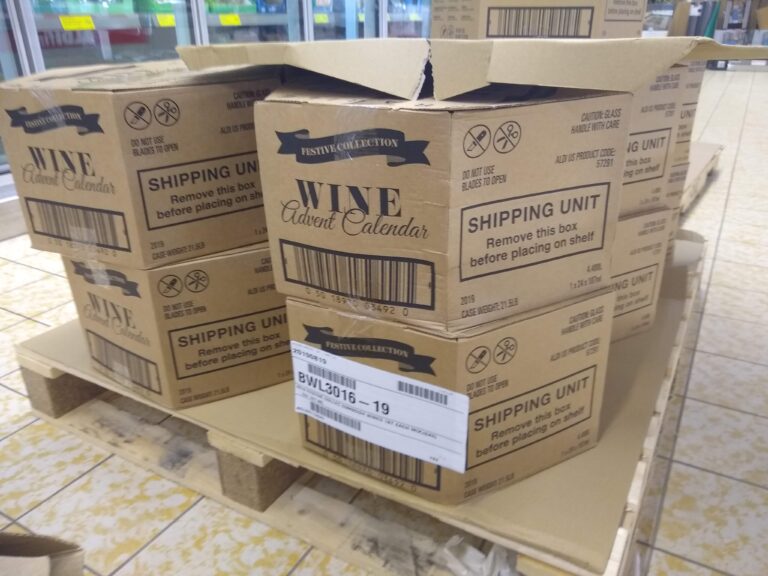
And you can’t really talk about Aldi without mentioning the middle aisle. In the 21st century, Aldi has gone all-in on limited time Aldi Finds, or Special Buys as they are known in other parts of the world. Every Wednesday, an Aldi shopper can drift into the aisle full of limited stock that is ever changing: one week you might find a chainsaw, the next a bread oven. The sheer variety in the aisle of shame makes for plenty of intrigue.
Some of Aldi’s quirks seem to enhance the cult status. Using a quarter to unlock a cart might be strange by American standards, but it only adds to the sense among Aldi shoppers that they’re part of their own club. Likewise, shoppers don’t seem all that bothered by having to bag their own groceries or choosing to commandeer a used box when they don’t have bags.
Aldi as Ringleader
Some brands cultivate their cults with a light touch. Trader Joe’s, for instance, publishes a Fearless Flyer and keeps a lively store atmosphere, but that’s about it.
On the other hand, not many stores, retail or otherwise, lean in to the cult the way Aldi does. There is no better proof than the Aldi-branded … well, everything that has landed on middle aisle shelves the last few years. The Aldi clothing would be enough evidence by itself. So would the volumes of Aldi-branded toys. Or the Aldi accessories. But taken together? Aldi practically rotates an Aldi souvenir shop during the year.
Online, Aldi shoppers have created plenty of fan communities, especially on Facebook, where groups reach well into the millions. Aldi even tried its hand at a Facebook fan community, although the grocer eventually concluded it wasn’t worth the effort. Still, Aldi keeps a busy social media presence in other ways, including brand pages that promote the cult.
Closing Thoughts
In the fall of 2025, Aldi announced what it called the Aldi Quarter Club.
Fans online were invited to compete for one of 25 spots. The winners scored exclusive swag, including a custom jacket, all kinds of Aldi products, and, most importantly, an all-expense paid trip up to Aldi HQ in Chicago where they got to tour the grocer’s facilities and dine in the Aldi mock store that the company uses to train and test layouts.
To join the Quarter Club, fans had to prove they were the most devoted online. If the videos we saw of the members are any indication, the grocer more than succeeded.
If that’s not a company promoting a cult, I don’t know what is.